
Learning and Neuroplasticity: How Science Explains Our Brain's Potential

For too long, we've been told that intelligence is fixed. That some children are simply "smart" while others struggle. That adults can't learn new skills after a certain age. That disabilities define permanent limitations. At SIENS, we know this narrative is not just wrong: it's harmful. And science is proving us right.
Neuroplasticity research is revolutionizing how we understand the human brain. It's showing us that our minds are far more adaptable, resilient, and capable than we ever imagined. This isn't just academic theory: it's a game-changer for every child who's been labeled, every adult who's been told they're too old to learn, and every family navigating developmental differences.
What Neuroplasticity Really Means
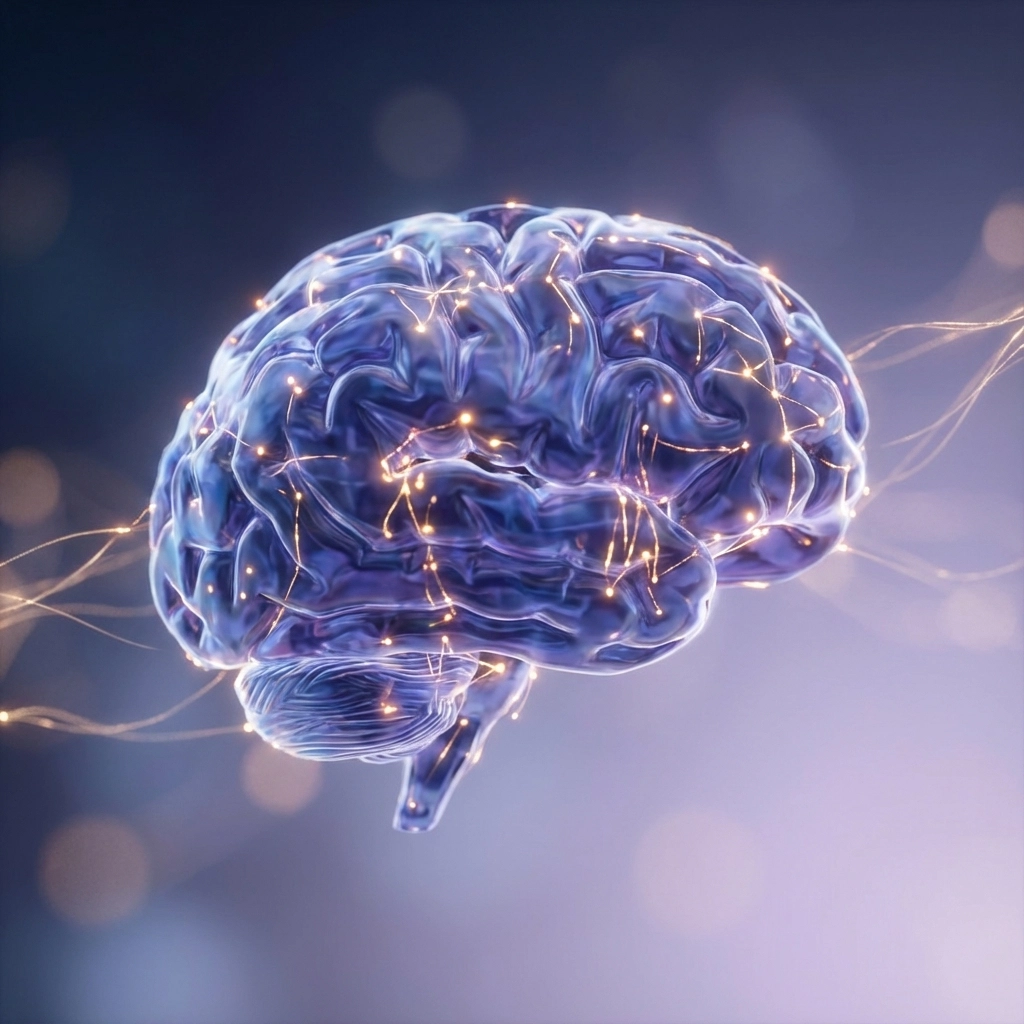
Neuroplasticity is your brain's superpower: the ability to physically reorganize and rewire its neural connections throughout your entire life. When you learn something new, practice a skill, or even recover from injury, your brain doesn't just process information: it literally reshapes itself.
Think of it this way: your brain is like a bustling city with millions of roads connecting different neighborhoods. Every time you learn or practice, you're building new roads and strengthening existing ones. The more you travel a particular route, the wider and more efficient that highway becomes. Routes you don't use? They gradually fade away, making room for new connections.
This process happens through what neuroscientists call "cells that fire together, wire together." When different neurons activate together during learning, the connections between them grow stronger. It's measurable. It's real. And it continues happening your whole life.
The Science That Changes Everything
Recent neuroscience research reveals just how dramatic these brain changes can be. During childhood, a single neuron in the cerebral cortex starts with about 2,500 connections. By age three, that same neuron has expanded to 15,000 connections. But here's what matters most: this process doesn't stop in childhood.
Adult brains continue forming new neural pathways and strengthening existing ones through targeted practice and learning. Brain-Derived Neurotrophic Factor (BDNF) and Nerve Growth Factor (NGF): proteins that support brain cell growth and connection formation: remain active throughout adulthood. Your brain keeps its capacity to adapt, grow, and surprise you.
Sleep plays a crucial role too, consolidating and stabilizing the new connections you've built during waking hours. This is why quality rest isn't just about feeling refreshed: it's literally when your brain solidifies new learning.
Breaking Down Barriers to Learning
Understanding neuroplasticity fundamentally shifts how we approach learning differences and disabilities. When a child struggles with reading, traditional thinking might label them as having a "learning disability" and lower expectations. Neuroplasticity science tells us something different: this child's brain simply needs different pathways to access the same destination.
We've seen this transformation firsthand in our work. Children who were once considered "behind" begin thriving when we honor how their unique brains actually learn. Adults who believed they could never master new technologies discover they absolutely can: they just needed approaches that worked with their neural wiring, not against it.
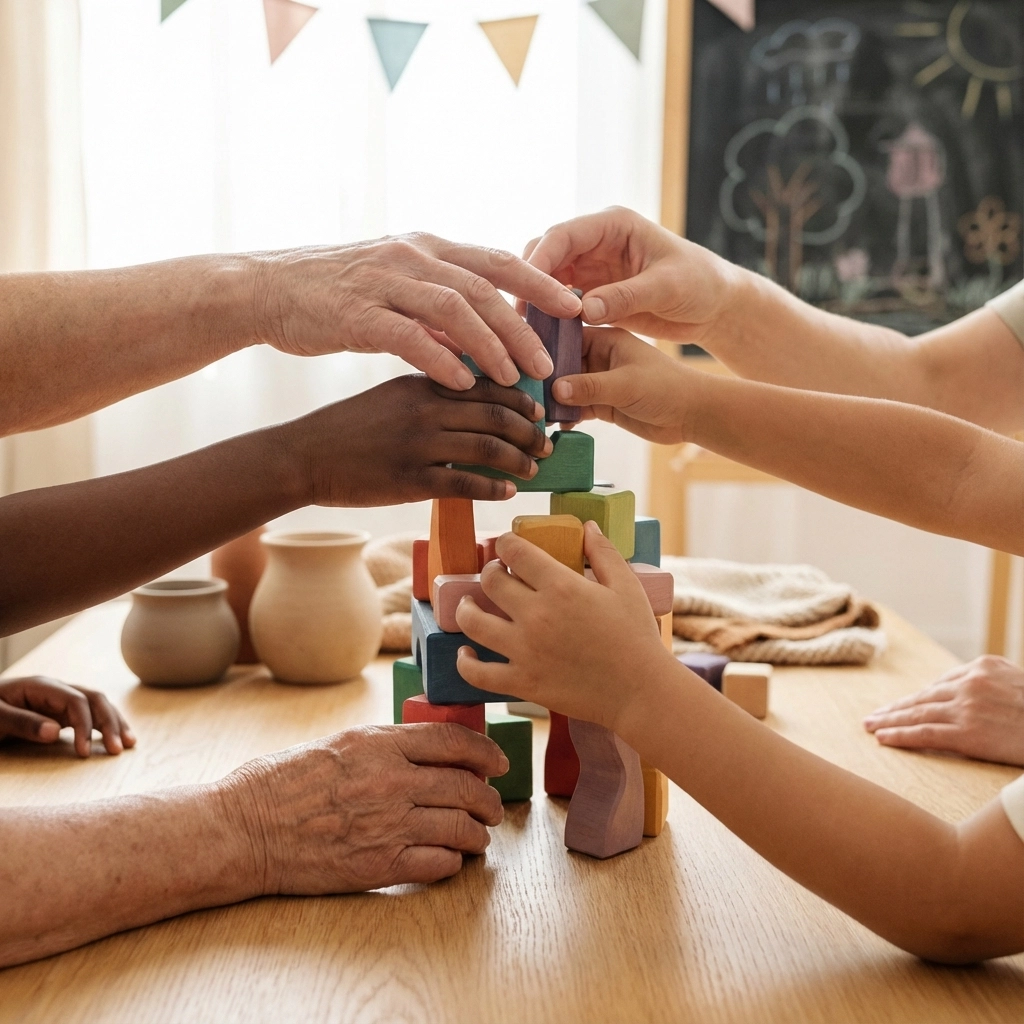
The key is recognizing that different doesn't mean deficient. Some brains take scenic routes to get where they're going. Others prefer back roads over highways. The destination remains the same; the journey looks different.
Optimizing Learning for Every Brain
Research shows us several strategies that maximize neuroplasticity:
Repetition with variation strengthens neural pathways more effectively than rote drilling. When we practice skills in different contexts and formats, we build multiple routes to the same knowledge.
Emotional engagement supercharges learning. When information connects to our interests, values, or experiences, our brains pay attention and form stronger memories.
Spaced practice beats cramming every time. Reviewing material across multiple sessions with breaks in between gives our brains time to consolidate and strengthen connections.
Real-world relevance makes abstract concepts stick. When new learning connects to existing knowledge and meaningful applications, neural networks activate more powerfully.
Most importantly, focused attention without overwhelming pressure creates optimal conditions for brain change. This is where many traditional approaches get it wrong: they pile on stress when brains need safety to adapt.
What This Means for Inclusion
Neuroplasticity research validates what we've always believed at SIENS: every brain has potential. This science dismantles deficit-based thinking and replaces it with possibility-focused approaches.
For children with autism, ADHD, or other neurological differences, neuroplasticity reveals that their brains aren't broken: they're differently wired. With the right supports and approaches, these unique neural patterns can become strengths.
For adults returning to learning after years away from school, neuroplasticity confirms that age doesn't determine ability. Your brain remains capable of forming new skills, memories, and capabilities.
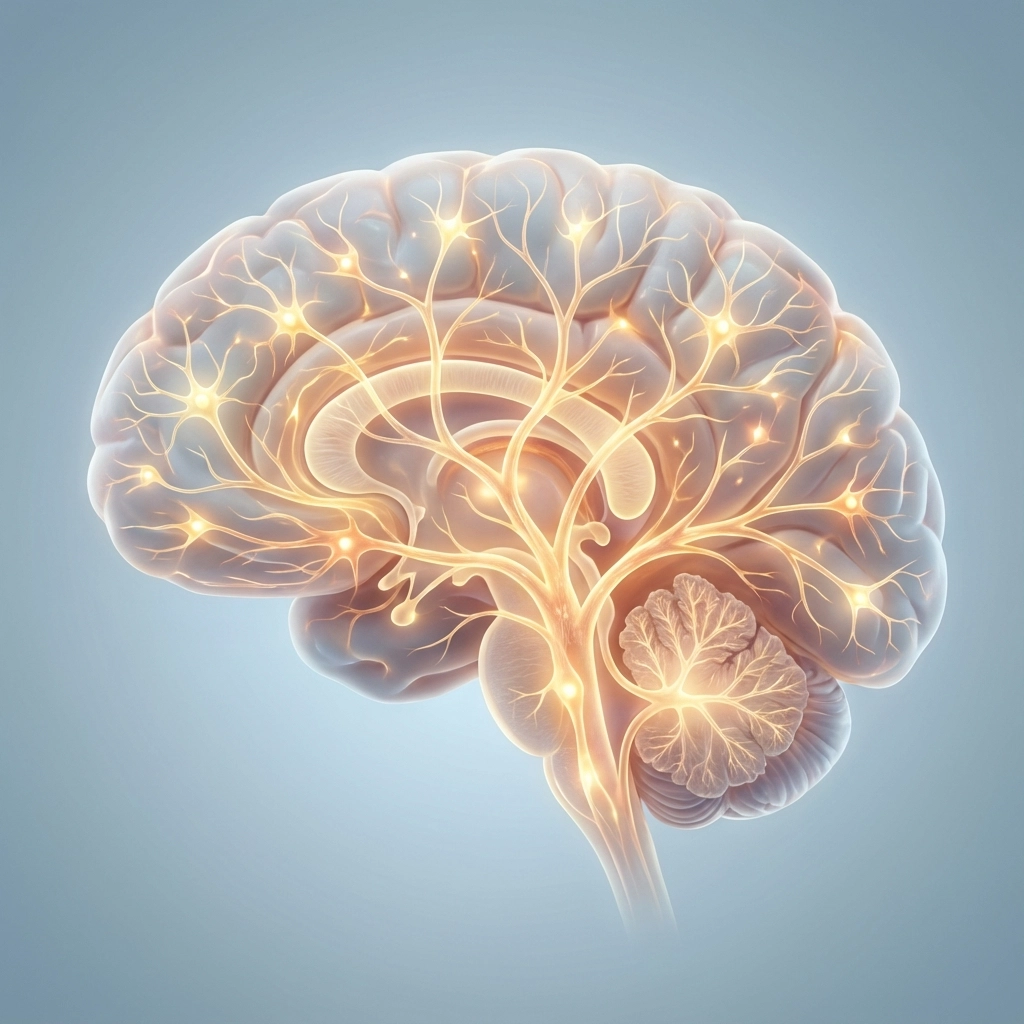
For families navigating complex developmental challenges, this research offers hope grounded in hard science. Progress might look different than you expected, and timelines might vary, but your child's brain remains beautifully capable of growth and change.
The Rehabilitation Revolution
Perhaps nowhere is neuroplasticity more dramatically demonstrated than in stroke recovery. Patients who lose speech, movement, or cognitive function can retrain their brains through targeted, repetitive practice. Healthy brain regions take over functions from damaged areas, forming entirely new neural networks.
This isn't just inspiring: it's instructive. It shows us that brains respond to purposeful, patient, persistent intervention. The same principles apply whether someone is recovering from injury, learning to read, or developing social skills.
At SIENS, we apply these insights to create learning environments where every individual can access their brain's natural capacity for change. We meet each person exactly where they are and provide the conditions their nervous system needs to grow.
Moving Beyond Fixed Mindsets
The implications of neuroplasticity reach far beyond individual learning. They challenge educational systems built on the myth of fixed ability. They question workplace cultures that write off certain employees as "not tech-savvy" or "not creative."
When we truly understand that brains change throughout life, we stop sorting people into permanent categories. Instead, we ask: What does this person's brain need to thrive? What environmental conditions support their neuroplasticity? How can we remove barriers and provide bridges?
This shift transforms not just how we teach and learn, but how we see human potential itself.
The Path Forward
Neuroplasticity research gives us permission to dream bigger for every child, every adult, every family we serve. It provides scientific backing for what inclusion advocates have always known: with the right supports, every brain can grow.
But knowledge alone isn't enough. We need systems that honor how different brains learn. We need educators trained in neuroplasticity principles. We need families equipped with strategies that work with their child's unique wiring.
This is why SIENS exists. We bridge the gap between groundbreaking neuroscience and practical, accessible support for real families. We believe deeply that understanding your brain's capacity for change isn't just empowering: it's transformative.

The science is clear: your brain is not fixed. Your child's potential is not predetermined. Learning differences are not dead ends: they're different paths to the same destinations. And with the right understanding, support, and approaches, every brain can continue growing throughout life.
At SIENS, we're here to help you harness your brain's incredible capacity for change. Because when we understand neuroplasticity, we don't just learn better: we live with greater hope, possibility, and confidence in human potential.
The journey of discovery never ends, and your brain is ready for whatever comes next.
Stock Photo Suggestions:
Close-up of neural networks with glowing connections
Child's hands building with colorful blocks or manipulatives
Adult learner working with assistive technology
Brain scan imagery showing active neural pathways
Diverse group of people engaged in collaborative learning
Before/after visual showing brain connectivity patterns
Comments